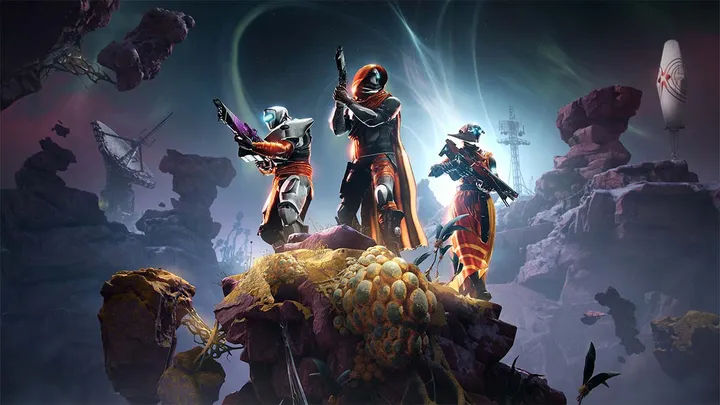




Destiny 2 is a game that blends fast-paced shooter mechanics with MMO-style progression and cooperative gameplay. While many players focus on loot, PvP, or casual strikes, the true depth of the game lies in endgame PvE boss encounters. These fights are not just about raw firepower; they demand a precise understanding of mechanics, timing, positioning, ability management, and environmental interactions.
Each boss encounter, whether in raids, dungeons, or Nightfall strikes, is designed with layered mechanics that test both individual skill and team coordination. Players often struggle not because of lack of weapons or power level, but due to a misunderstanding of attack patterns, shield phases, stagger mechanics, and damage windows.
This article explores the underlying systems that govern endgame boss encounters, providing a detailed roadmap for mastering these challenges. By analyzing ten critical areas, we will uncover what separates casual completion from true mastery in Destiny 2 PvE content.
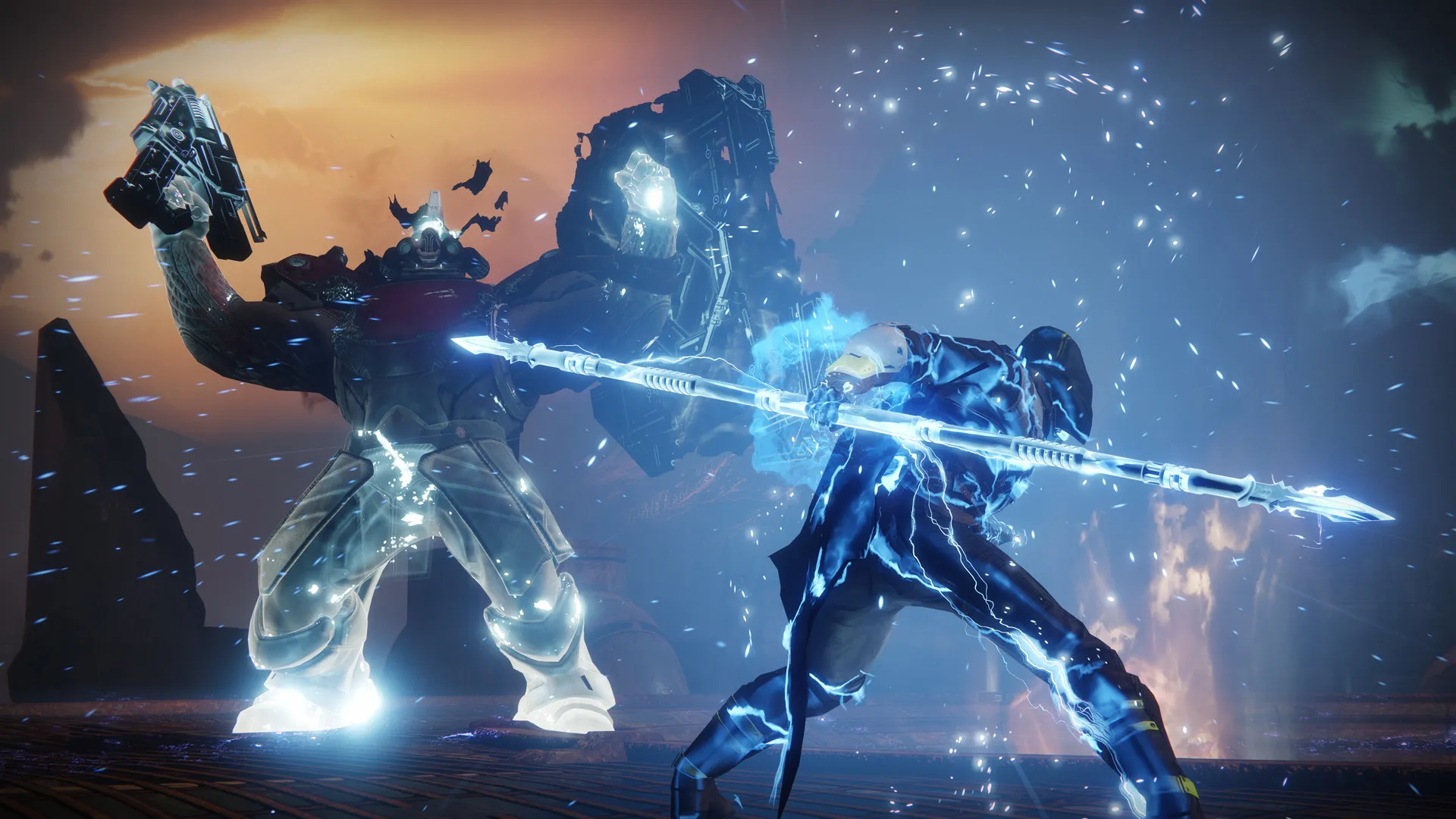
Understanding Boss Mechanics: Core Systems and Design Philosophy
Every endgame boss in Destiny 2 is governed by a set of core systems that dictate their behavior: attack rotations, invulnerability phases, shield mechanics, stagger points, and environmental triggers.
Bosses are designed to be punishing but predictable. Their attacks often telegraph their intention through visual cues, audio signals, or subtle animations. Understanding these telegraphs is essential; failing to recognize them leads to unnecessary deaths and wasted damage opportunities.
Additionally, bosses utilize layered health bars. Shields, damage resistances, and energy absorption phases create windows where damage is highly effective and periods where attacks are nearly futile. Mastery involves recognizing these windows and focusing fire accordingly.
Damage Windows and Stagger Mechanics
One of the most misunderstood aspects of boss fights is stagger mechanics. Many bosses have stagger points or phases where they become briefly vulnerable after specific conditions are met.
Stagger can be triggered by:
- Critical hit locations (headshots, exposed weak points)
- Elemental damage matching shield type
- Environmental interactions (detonating traps, disabling generators)
During stagger, bosses often take increased damage and interrupt their attack patterns. Successful teams capitalize on these moments with coordinated high-damage abilities or supers. Timing is crucial; misaligned firepower often results in missed stagger opportunities, prolonging fights and increasing risk.
Shield Phases: Elemental Dynamics and Debuff Interactions
Many endgame bosses employ elemental shields that reduce or negate damage from mismatched elements. Understanding these shields is critical to avoid wasting DPS.
- Arc shields are vulnerable to Solar damage
- Solar shields are weak against Void
- Void shields are destroyed faster with Arc
Damage-over-time effects and debuffs often bypass elemental resistances, creating alternative strategies for stagger and damage output. Coordinated elemental switching across fireteams maximizes efficiency and reduces the length of shield phases. Mismanagement of elements is one of the most common reasons players fail difficult encounters.
Ability Management: Supers, Grenades, and Class Skills
Abilities in Destiny 2 are not just for crowd control; they play a decisive role in boss fights. Every class — Titan, Hunter, Warlock — has skills optimized for damage phases, stagger initiation, and survival.
- Titans often use melee abilities or Barricades to create stagger opportunities or block high-damage attacks
- Hunters rely on precision supers and invisibility to maintain sustained DPS during stagger
- Warlocks excel at AoE damage and healing rifts, controlling space and sustaining the team
Effective ability management involves synchronizing supers, grenades, and class abilities with boss mechanics. Random or unsynchronized use can result in wasted energy and missed stagger opportunities.
Positioning and Environmental Awareness
Endgame bosses are designed to challenge map control and spatial awareness. Platforms, environmental hazards, and movement restrictions are integral to fight design.
- Some encounters feature zones that trigger AoE attacks when entered
- Debris, ledges, and barricades provide cover but may also obstruct line-of-sight
- Boss abilities often manipulate positioning, forcing players to adapt or risk instant-death mechanics
Successful teams map out these areas, assigning roles and movement strategies to maintain safe zones while maximizing DPS opportunities. Poor positioning is a major contributor to wipes in high-difficulty raids.
Coordination and Role Assignment
No solo strategy is viable in high-level endgame content. Fireteam coordination is crucial, with clearly defined roles:
- Damage Dealers: Focus on exploiting stagger or shield weaknesses
- Mechanic Handlers: Activate environmental triggers or debuff systems
- Support Roles: Healing, revives, and buff management
Timing of abilities and attacks between these roles must be synchronized. Even minor misalignment can prolong the fight or trigger lethal mechanics. Effective communication, awareness of ability cooldowns, and role specialization define success at the highest levels.
Damage Optimization: Weapons, Mods, and Loadouts
Weapon choice directly impacts the efficiency of stagger and damage phases. Boss encounters reward precision and elemental alignment over raw power.
- Kinetic vs. energy weapon selection influences stagger efficiency
- High-impact precision weapons exploit critical hit zones
- Exotic weapons with unique perks can bypass shields or exploit boss weaknesses
Additionally, mods and perks can enhance damage, reduce cooldowns, or provide survivability advantages. Teams that optimize loadouts according to boss mechanics gain significant DPS efficiency and reduce fight duration.
Telegraphed Attacks and Boss Patterns
Understanding boss attack patterns is fundamental. Most high-tier bosses use telegraphed abilities: a brief visual or audio cue indicates the upcoming attack. Recognizing these allows players to preemptively dodge, reposition, or prepare defensive abilities.
- Melee telegraphs often precede wide swings or area damage
- Ranged attacks may leave environmental cues like glowing projectiles or patterns on the ground
- Ultimate abilities typically have extended prep phases to allow reactive counterplay
Mastery involves learning these patterns and predicting sequences, effectively reducing damage taken and creating windows to maximize DPS.
Advanced Strategies: Multiphase Fights and Sequential Mechanics
Endgame bosses often feature multiple phases with unique mechanics, such as splitting into clones, spawning adds, or activating environmental hazards mid-fight. Each phase introduces new strategic layers:
- Assigning team roles for add control versus DPS on the boss
- Timing abilities to coincide with stagger windows in later phases
- Adjusting positioning as arena constraints change
High-level success depends on mastering sequential mechanics and anticipating phase transitions rather than reacting impulsively.
Psychological and Team Dynamics in PvE Boss Encounters
Beyond mechanical mastery, the psychological aspect of coordination is vital. Calm communication, patience, and role adherence prevent mistakes that often escalate into wipes. Fear, frustration, or miscoordination can break even mechanically sound strategies.
Experienced teams maintain rhythm and focus, using stagger opportunities efficiently, managing resources, and supporting each other through high-pressure moments. Mental composure is as crucial as technical mastery in Destiny 2 endgame PvE.
Conclusion
Mastering endgame PvE boss fights in Destiny 2 requires more than raw power. Understanding stagger mechanics, elemental shields, telegraphed attacks, positioning, ability management, and team coordination is essential. Each encounter is a layered challenge, combining individual skill with strategic teamwork.
True mastery comes from anticipating mechanics, exploiting weaknesses, and synchronizing actions with your fireteam. By integrating mechanical knowledge with tactical awareness, players transform challenging bosses from frustrating obstacles into calculated and conquerable challenges, maximizing both efficiency and satisfaction.