.webp)
Master recipes, timing, preparation, and kitchen organization to cook faster and manage every order efficiently.

Tasty Chef is a cooking-focused game built around the simple but engaging idea of preparing food, managing kitchen activities, and gradually improving your ability to serve customers efficiently. Cooking games often appear straightforward at first, but their strongest challenge comes from balancing several tasks at once. Players must understand recipes, manage ingredients, organize their workspace, and respond quickly when multiple orders arrive.
The most effective way to approach Tasty Chef is to think of the kitchen as a system rather than a collection of individual actions. Every ingredient, cooking station, recipe, and customer interaction contributes to the overall flow of a successful kitchen. Learning how these elements connect can make progression smoother while reducing unnecessary mistakes.
This guide focuses on practical strategies for improving efficiency in Tasty Chef. Whether you are learning the basic mechanics or trying to handle more demanding kitchen situations, understanding preparation, timing, organization, upgrades, and customer management can help you become a more reliable chef.
1. Learn the Kitchen Before Trying to Move Quickly
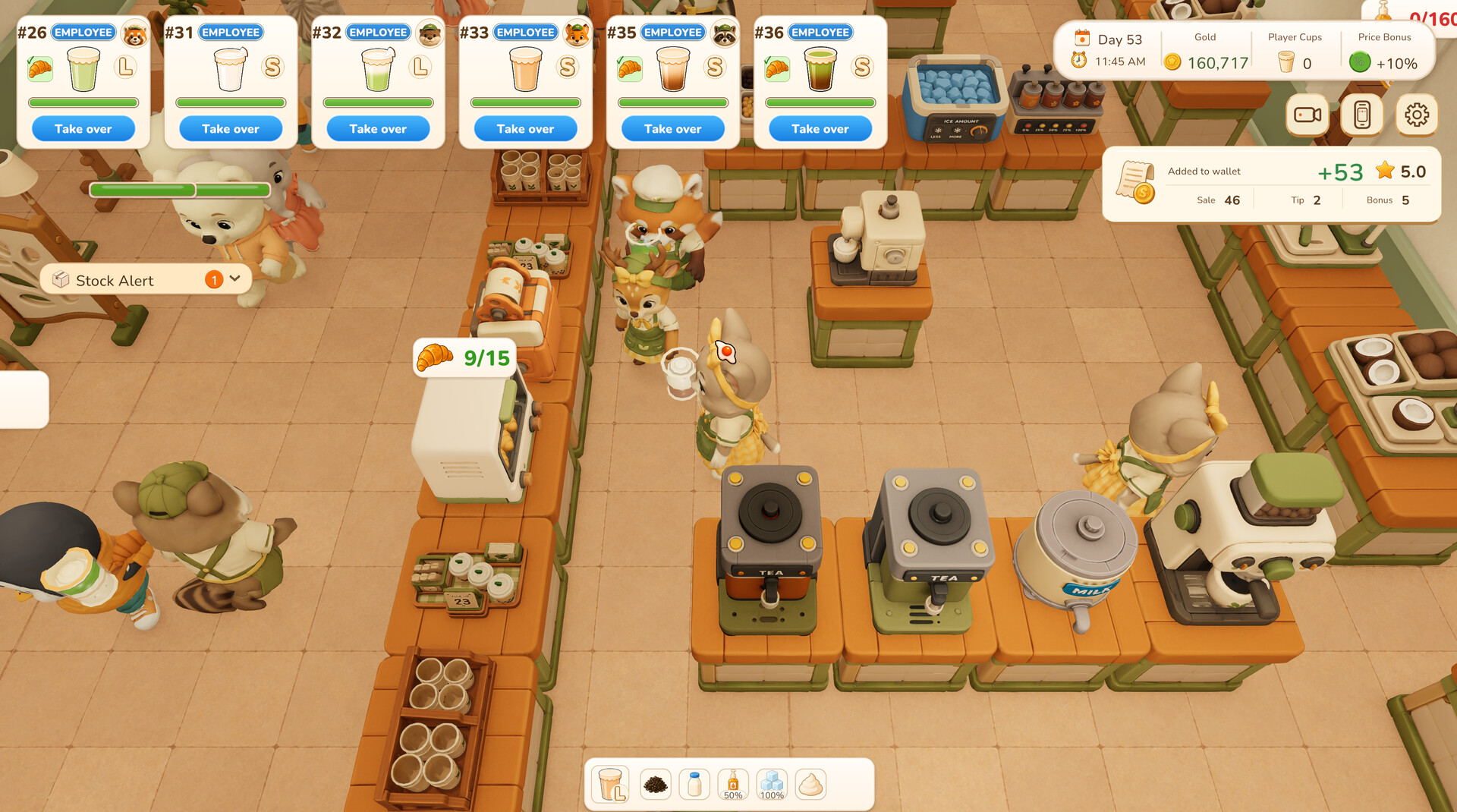
One of the first mistakes players can make in a cooking game is trying to maximize speed before understanding the kitchen layout. Tasty Chef becomes easier when you know where important ingredients, preparation areas, cooking stations, and serving points are located. Familiarity reduces unnecessary movement and allows you to concentrate on the actual cooking process.
Spend some time observing the environment before worrying about perfect performance. Identify which stations are used frequently and which areas require the most movement. Once the layout becomes familiar, you can begin planning efficient routes between different parts of the kitchen.
Speed is valuable, but controlled movement is usually more useful than rushing. A player who understands the kitchen can complete several actions smoothly while a player who moves quickly without a plan may waste time correcting mistakes.
Build a Mental Route
Try to develop a repeatable sequence for common orders. If an order requires several ingredients and preparation steps, think about the entire process before starting. This reduces the number of unnecessary trips across the kitchen.
2. Understand Recipes and Their Preparation Order
Recipes are the foundation of a cooking game, so learning how individual dishes are prepared should be an early priority. Instead of memorizing recipes as isolated combinations, pay attention to their preparation patterns.
Some dishes may require ingredients to be prepared before they can be cooked. Others may involve several actions that need to happen in a particular order. Understanding these relationships helps prevent situations where you reach a cooking station only to realize that an earlier preparation step was skipped.
When several recipes become available, compare them carefully. Look for ingredients or preparation steps that appear repeatedly. Learning these common components can make new dishes easier to understand.
Avoid Guessing
If you are unsure about a recipe, take a moment to confirm the required ingredients and steps. A few seconds of preparation can save considerably more time than restarting an incorrect dish.
3. Preparation Is More Important Than Raw Speed
Good kitchen performance begins before the cooking itself. Having the necessary ingredients ready can significantly improve your workflow because you are not constantly interrupting one task to collect something needed for another.
When possible, prepare commonly used ingredients in advance. This is particularly useful when several customer orders require similar components. Instead of repeatedly switching between preparation and cooking, you can organize your work around batches of related tasks.
However, preparation should not become excessive. Holding too many ingredients without an immediate purpose can make the kitchen harder to manage. The goal is to maintain enough preparation to support your next actions without creating unnecessary clutter.
Think One Step Ahead
While one item is cooking, consider what you will need next. This simple habit allows you to use waiting time productively and can create a much smoother rhythm.
4. Manage Cooking Time Carefully
Cooking time is one of the most important resources in Tasty Chef. Some actions can be performed immediately, while others require waiting. Efficient players use these waiting periods instead of standing idle.
Whenever something is cooking, look for another useful task that can be completed simultaneously. You might prepare another ingredient, collect supplies, organize the workspace, or begin another order.
This creates a multitasking cycle where several parts of the kitchen are progressing at the same time. The objective is not to perform more actions for their own sake, but to reduce periods where nothing productive is happening.
Watch for Overcooking
If a cooking process requires attention, avoid becoming distracted by another task. Multitasking is useful only when it remains controlled. Losing track of an important cooking process can eliminate the time saved elsewhere.
5. Prioritize Customer Orders
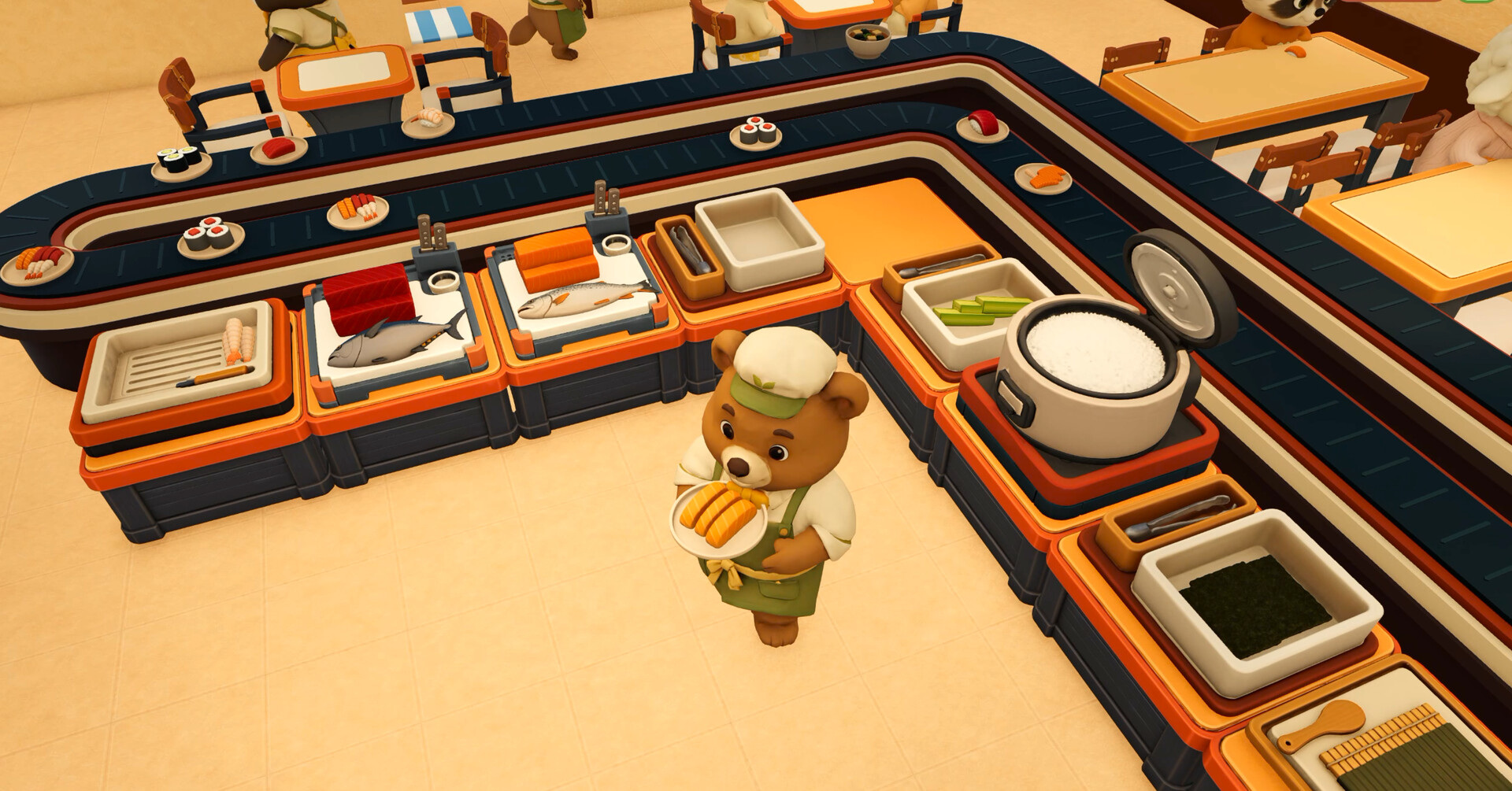
When multiple customers are waiting, deciding which order to handle first becomes important. Completing orders randomly can create unnecessary delays, especially when some dishes require considerably more preparation than others.
Start by identifying the orders that can be completed quickly. Finishing a simple order can immediately reduce the number of active tasks. At the same time, begin longer recipes early so their preparation or cooking time does not become a bottleneck later.
You should also pay attention to orders that share ingredients or preparation steps. If several customers require similar items, completing related tasks together can reduce repeated movement and preparation.
Balance Urgency and Efficiency
The order that appears first is not always the order that should receive every action immediately. Consider preparation time, cooking time, and the resources needed for each order before deciding how to proceed.
6. Keep the Kitchen Organized
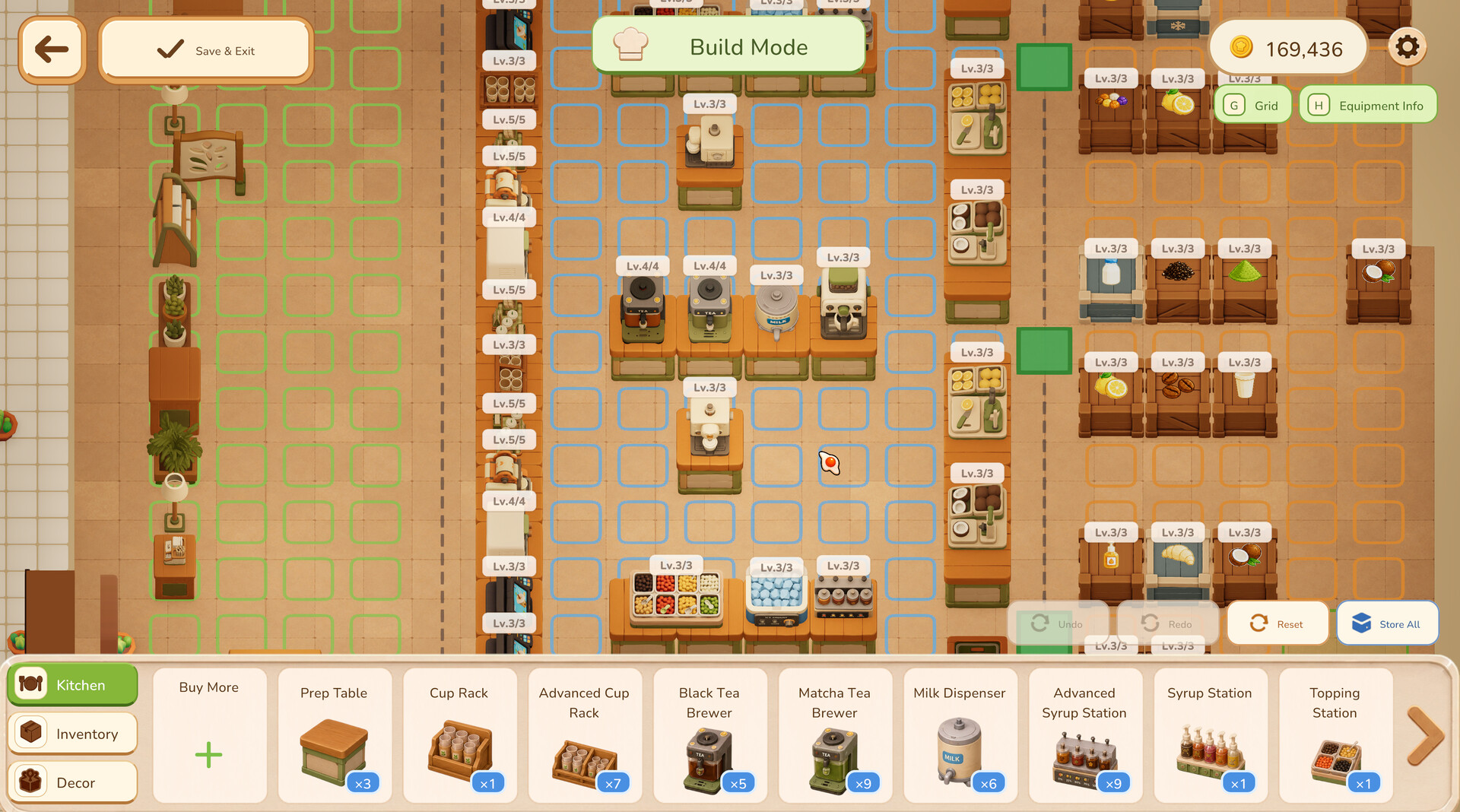
Organization has a direct effect on performance. A cluttered kitchen makes it harder to identify ingredients, remember unfinished tasks, and move efficiently between stations.
Try to develop consistent habits for handling ingredients and completed dishes. When you repeatedly place items in predictable locations, you spend less time searching for them.
Organization is particularly important as the number of recipes and kitchen activities increases. A system that works with a small number of ingredients may become inefficient when the kitchen becomes more complicated.
Create Consistent Habits
Use the same general workflow whenever possible. Consistency allows actions to become almost automatic, leaving more attention available for customer management and timing.
7. Upgrade the Parts of the Kitchen That Save the Most Time
As progression introduces upgrades or improvements, avoid treating every upgrade as equally valuable. Focus first on improvements that directly reduce recurring problems in your kitchen.
An upgrade that makes a frequently used task faster can have a larger practical effect than an improvement that affects an activity you rarely perform. Consider how often you use each station and where delays commonly occur.
If customers frequently wait because cooking takes too long, cooking-related improvements may provide more noticeable benefits. If movement is the main problem, improvements that make kitchen navigation or workflow easier may be more useful.
Identify Your Bottleneck
Before spending resources, ask yourself what currently slows you down the most. Improving the biggest bottleneck usually creates a more meaningful improvement than upgrading something that is already efficient.
8. Use Multitasking Without Losing Control
Multitasking is one of the strongest skills in cooking games. A successful kitchen rarely involves completing one entire order from beginning to end before touching anything else.
Instead, divide your attention between tasks that can progress independently. Start a cooking process, prepare another ingredient, check another order, and then return to the first task when necessary.
The important distinction is between productive multitasking and chaotic multitasking. If switching between tasks causes you to forget ingredients, miss cooking stages, or make repeated mistakes, slow down and simplify your workflow.
Develop a Task Cycle
A useful cycle is preparation, cooking, checking orders, serving, and returning to preparation. Once this rhythm becomes familiar, handling several tasks simultaneously becomes much easier.
9. Learn From Failed Orders
Mistakes are useful sources of information. If an order fails or takes too long, identify exactly where the problem occurred instead of simply trying to move faster next time.
Perhaps the recipe was not prepared correctly. Maybe an ingredient was missing. You may have spent too much time walking between stations, or you may have started too many tasks simultaneously.
Each mistake can reveal a weakness in your current workflow. Adjust one part of the process and test the new approach.
Improve One Problem at a Time
Trying to completely change your playstyle after every mistake can make progress harder to measure. Focus on the most obvious source of inefficiency, improve it, and then move to the next issue.
10. Build a Reliable Long-Term Cooking Strategy
The strongest approach to Tasty Chef is not simply becoming faster. It is building a kitchen routine that remains reliable as the workload increases.
Start by learning recipes and the kitchen layout. Then improve preparation, timing, customer prioritization, organization, and multitasking. Once these fundamentals become consistent, upgrades can be used to strengthen areas that still create bottlenecks.
A reliable strategy also leaves room for adaptation. Different situations may require different priorities, and forcing one fixed routine onto every kitchen scenario can create unnecessary problems.
Turn Efficiency Into a Habit
The goal is to make efficient decisions naturally. When you know what ingredients you need, where they are located, which order deserves attention, and what task should happen next, the kitchen becomes much easier to control.
Conclusion
Tasty Chef rewards players who can combine preparation, timing, organization, and decision-making. Although moving quickly can help, consistent performance comes from understanding how different kitchen tasks interact with one another.
Learning recipes, preparing ingredients efficiently, managing cooking time, prioritizing customers, and identifying bottlenecks are all important parts of becoming a better chef. With practice, these actions can become a natural routine rather than a series of rushed decisions.
The key is to treat every kitchen as a workflow. Plan ahead, use waiting time productively, keep your workspace organized, and learn from mistakes. By building these habits gradually, you can handle increasingly demanding cooking situations with greater confidence and efficiency.